Apartment Building Management in Canada Guide
Property Management, Apartment Building Management Canada
Apartment Building Management in Canada: A Practical Guide for Owners
Effective apartment building management in Canada is about more than collecting rent — it is a disciplined approach to protecting capital, supporting resident satisfaction, and positioning a multifamily asset for long‑term performance. In a market where supply, demand, and regulations continue to evolve, Canadian apartment building owners who understand operations, risk, and resident experience are better placed to preserve value and uncover new opportunities.
Why Effective Apartment Building Management Matters
For Canadian apartment building owners, strong apartment property management is directly linked to asset value. Well-managed buildings attract and retain quality tenants, maintain competitive positioning in their submarket, and demonstrate stable income — all of which support valuations, financing options, and eventual disposition strategies within multifamily real estate in Canada.
Operational discipline also helps control costs. Proactive maintenance reduces emergency repairs, thoughtful capital planning extends the life of major systems, and consistent rent collection improves cash flow reliability. In an environment where lenders are increasingly focused on stabilized rents, vacancy assumptions, and lease‑up performance, well-documented rental property operations in Canada can be a differentiator when refinancing or acquiring additional assets.
Finally, effective apartment building management in Canada supports resident satisfaction. Clear communication, timely responses to maintenance requests, and safe, well-kept common areas contribute to a positive living experience — reducing turnover, marketing costs, and vacancy risk over time.
1. Understanding Apartment Building Management
Apartment building management in Canada is the coordinated oversight of people, property, and financial performance. Whether you self‑manage or work with a professional property manager, owners remain responsible for key decisions and governance across several core areas:
Property operations — day‑to‑day activities such as rent collection, move‑ins and move‑outs, unit turns, and vendor coordination for cleaning, landscaping, or snow removal.
Tenant communication — responding to resident inquiries, issuing building notices, and maintaining clear channels for feedback and concerns, increasingly through digital platforms and property management software.
Maintenance and building systems — planning and executing preventative maintenance, coordinating repairs, and overseeing contractors for mechanical, electrical, plumbing, and life‑safety systems.
Financial management — budgeting, tracking income and expenses, monitoring net operating income (NOI), and preparing regular financial reports for owners, lenders, or partners.
Regulatory compliance — staying current with provincial tenancy legislation, municipal bylaws, building codes, and safety standards, which can vary significantly across Canada.
For owners managing rental apartments in Canada, the objective is to integrate these responsibilities into a repeatable system — one that can scale from a single asset to a diversified portfolio of multifamily properties while maintaining consistency and control.
2. Tenant Relations, Leasing, and Retention
Screening and Leasing Processes
Strong tenant relations begin with a disciplined leasing process. Apartment property management teams typically follow a consistent framework for each new tenancy:
Marketing the unit — using accurate, compliant listings that reflect the building’s positioning within multifamily real estate in Canada, including professional photos, clear descriptions, and transparent pricing and fee information.
Application and screening — gathering applications, verifying income, checking references, and, where permitted, reviewing credit history, while following fair housing and human rights requirements in your province or territory.
Lease documentation — using a clear, compliant lease form that outlines rent, term, deposits, responsibilities for utilities, maintenance obligations, and building rules. Many provinces provide standard lease templates or required clauses — owners should confirm current requirements locally.
Ongoing Communication and Service
Once residents move in, consistent, professional communication is essential. Best practices in apartment building management Canada include:
Providing clear contact information for maintenance, emergencies, and general questions.
Using email, resident portals, or messaging tools to send building updates, maintenance notices, and policy reminders in writing.
Acknowledging maintenance requests quickly — even if the repair will take time — to demonstrate responsiveness and professionalism.
Lease Administration, Renewals, and Retention
Effective multifamily property management pays close attention to lease expiries and renewal timelines. Owners should track:
Expiry dates — to ensure renewal discussions and, where permitted, rent increase notices are issued within required notice periods under provincial legislation.
Rent adjustments — in provinces with rent guidelines or caps, such as Ontario, British Columbia, or Nova Scotia, owners must follow the published percentage limits and notice rules. Other jurisdictions, such as Alberta or Saskatchewan, may not have rent caps but still impose notice requirements. Regulations are subject to change — owners should always verify current rules and, where appropriate, seek legal advice.
Retention strategy is equally important. Simple, practical steps — such as well‑maintained common areas, prompt resolution of noise complaints, and clear expectations around parking, pets, and amenities — can materially improve tenant satisfaction and reduce turnover costs in rental property operations across Canada.
3. Maintenance, Repairs, and Preventative Property Care
Regular Inspections and Preventative Schedules
Apartment building maintenance is central to preserving both resident safety and long‑term asset value. A structured inspection program helps identify issues before they become emergencies. Many Canadian apartment building owners adopt a layered approach:
Monthly walkthroughs — visual inspections of common areas, parking, exterior lighting, waste areas, and mechanical rooms to flag hazards or wear‑and‑tear early.
Seasonal inspections — checks before winter and spring for roofs, gutters, drainage, boilers, and snow/ice management plans, particularly important in many Canadian climates.
Annual reviews — more detailed assessments of building envelopes, balconies, windows, and life‑safety systems with qualified professionals where appropriate.
Core Building Systems and Common Areas
Key systems — heating, plumbing, electrical, ventilation, and fire protection — require scheduled servicing based on manufacturer recommendations, code requirements, and local practice. Well-documented maintenance logs can support warranty claims, insurance discussions, and, ultimately, valuation and financing conversations for multifamily assets.
Common areas, including lobbies, corridors, laundry rooms, fitness spaces, and outdoor amenities, should reflect the building’s positioning in its market. Clean, well‑lit, and secure spaces support tenant satisfaction and can differentiate a property in competitive submarkets across multifamily real estate Canada.
Emergency Repairs and Capital Planning
Even with strong preventative programs, unplanned repairs will occur. Effective apartment management includes:
Clear after‑hours procedures and contact information for urgent issues such as floods, electrical failures, or security concerns.
Pre‑qualified contractors and vendors who understand the property, its systems, and expectations around response times and documentation.
Parallel to day‑to‑day maintenance, owners should maintain a capital plan that forecasts major expenditures — roofs, windows, boilers, elevators, or suite renovations — over a multi‑year horizon. This forward view supports more accurate budgeting, financing decisions, and timing of value‑add projects that can reposition a building within its local rental market.
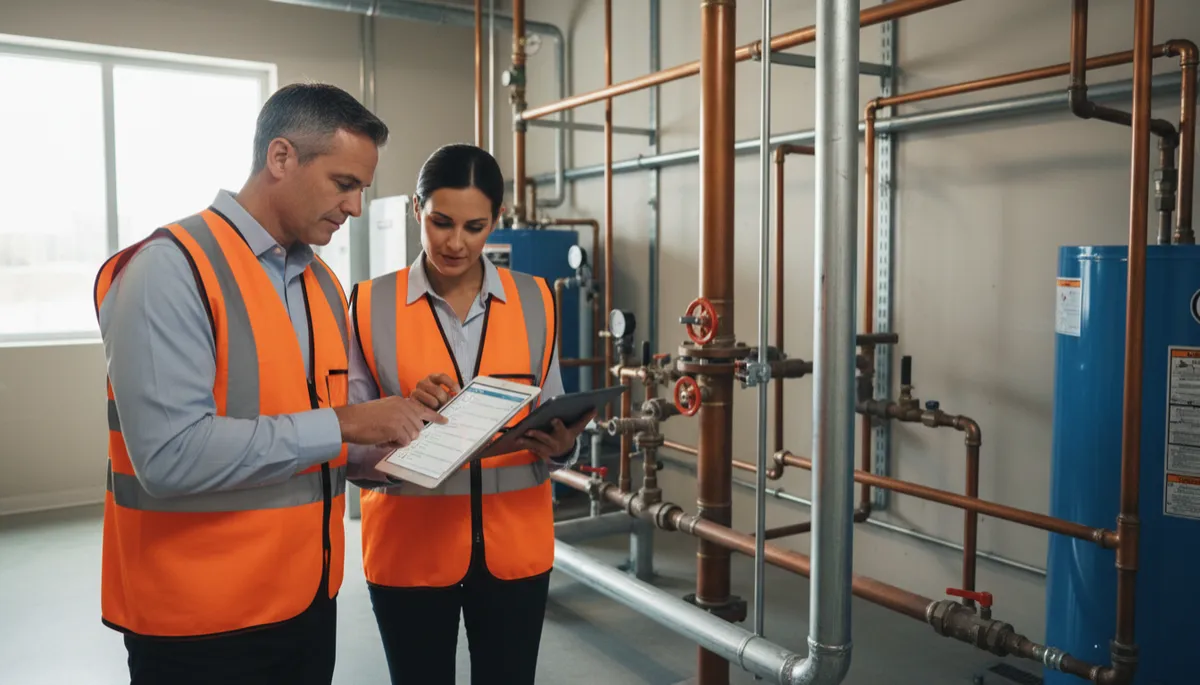
Structured inspections and documented maintenance underpin reliable multifamily property performance.
4. Operating Budgets and Financial Oversight
Financial oversight is at the core of apartment building management Canada. A clear understanding of income, expenses, and net operating income allows owners to make informed decisions about refinancing, capital projects, and portfolio strategy.
Tracking Income, Expenses, and Vacancies
Rental income — the total scheduled rent if all units are occupied at current rates, plus parking, storage, laundry, or other ancillary revenue streams.
Vacancy and collection loss — the difference between scheduled rent and actual collected rent, including vacant units, concessions, and unpaid amounts. Monitoring this figure over time helps identify trends in leasing performance or credit risk.
Operating expenses — recurring costs such as utilities (where landlord‑paid), property taxes, insurance, repairs and maintenance, management fees, on‑site staff, and cleaning or landscaping contracts.
Understanding Net Operating Income (NOI)
Net operating income is a key performance metric in multifamily real estate Canada. In simple terms, NOI is:
NOI = Effective Gross Income − Operating Expenses
Effective gross income is your rental and other income after accounting for vacancy and collection loss. Operating expenses generally exclude mortgage payments, income taxes, and capital expenditures. Lenders and investors frequently assess buildings based on NOI and apply a market capitalization rate to estimate value, so accurate, consistent reporting is essential for Canadian apartment building owners.
Budgeting, Capital Expenditures, and Reporting
Annual operating budget — a forward‑looking plan for income and expenses, typically prepared at least once per year, with assumptions about rent growth, vacancy, and cost trends such as utilities or property taxes.
Capital expenditure (CapEx) planning — a separate schedule for major non‑recurring projects such as roof replacements, suite upgrades, or mechanical system overhauls, often funded from reserves, financing, or equity.
Regular financial reporting — monthly or quarterly income statements, rent rolls, and variance analyses comparing actual results to budget help owners and investors identify issues early and adjust strategy.
For newer investors, partnering with experienced accounting professionals or property management firms can help ensure statements align with lender expectations and industry practice, particularly as underwriting standards evolve in response to shifting vacancy and rent trends across Canada.
5. Understanding Canadian Rental Regulations
Rental housing in Canada is governed primarily at the provincial and territorial level, with additional requirements set by municipalities and building authorities. There is no single national set of rules. For apartment building management in Canada, this means owners must understand the specific framework that applies to each property in their portfolio.
Tenancy legislation — covers topics such as security deposits, rent increases, notice periods, eviction procedures, and dispute resolution. For example, some provinces have annual rent increase guidelines (such as Ontario, British Columbia, or Quebec), while others, including Alberta and Saskatchewan, do not have percentage caps but still require appropriate notice for increases or terminations. Recent changes in several provinces — such as updated rent caps, revised notice periods, or new protections around capital expenditure‑related increases — highlight the importance of staying current with official government resources.
Health, safety, and building standards — including fire code, carbon monoxide and smoke alarm requirements, adequate heating and cooling, and structural safety. Municipalities may also impose property standards bylaws that set minimum conditions for maintenance, cleanliness, and occupancy.
Human rights and fair housing — each province and territory has human rights legislation that prohibits discrimination in housing on protected grounds such as race, family status, or disability. Screening and leasing processes must align with these requirements.
Because regulations differ across Canada and are updated regularly, Canadian apartment building owners should rely on current provincial, territorial, and municipal sources — and seek qualified legal or professional advice — rather than assuming rules from one jurisdiction apply universally.
6. Self‑Managing vs. Hiring a Professional Property Manager
A central decision for many Canadian apartment building owners is whether to manage rental apartments in Canada directly or engage a professional property management firm. The right approach depends on your time, experience, and portfolio strategy.
Considerations for Self‑Management
Time commitment — responding to tenant inquiries, coordinating repairs, handling leasing, and overseeing vendors can be a substantial workload, particularly for buildings with many units or multiple sites.
Operational expertise — understanding tenancy law, building systems, budgeting, and documentation standards is important for risk management. Owners who enjoy hands‑on involvement may value this control, but should be realistic about the learning curve.
When Professional Management May Add Value
Portfolio scale and complexity — as the number of units, buildings, or markets increases, professional multifamily property management can provide systems, staffing, and technology that are difficult to replicate on a part‑time basis.
Tenant communication and leasing — experienced managers often have established processes for marketing, screening, leasing, and renewals, supported by software and, increasingly, AI‑enabled tools to handle high volumes of inquiries and service requests efficiently.
Maintenance coordination — access to vetted vendor networks, bulk purchasing, and standardized maintenance protocols can help manage costs and response times, particularly for larger buildings or portfolios.
Financial reporting — professional managers typically provide regular financial statements, rent rolls, and variance reports aligned with lender and investor expectations, supporting more informed asset‑management decisions.
Management fees are a real cost — commonly structured as a percentage of collected revenue plus leasing or administration fees — but for many owners, the time savings, risk management, and operational consistency justify the investment, particularly as they scale within multifamily real estate Canada.
7. How to Evaluate Whether an Apartment Building Is Being Managed Effectively
Whether you self‑manage or work with a third‑party firm, it is important to periodically assess the effectiveness of your apartment management. Practical indicators include:
Consistent financial reporting — timely income statements, rent rolls, and bank reconciliations, with clear explanations for variances versus budget or prior periods.
Organized lease documentation — signed leases, addenda, and notices stored systematically, with quick access to expiry dates, rent levels, and special terms for each unit.
Maintenance records — documented work orders, preventative maintenance logs, and vendor invoices that demonstrate a proactive approach rather than reactive, crisis‑driven repairs.
Property condition — clean, safe, and well‑lit common areas, minimal deferred maintenance, and suites that show well during tours are visible signs of strong operations.
Tenant communication processes — clear response standards for inquiries and service requests, documented building notices, and a professional tone in all resident interactions.
Operating expense trends — year‑over‑year comparisons that show whether costs are in line with expectations, local benchmarks, and the building’s strategic positioning, with explanations for any material changes.
Vacancy and collection performance — stable or improving occupancy, manageable arrears, and limited need for legal enforcement can indicate effective screening and ongoing management.
Many Canadian apartment building owners review these indicators quarterly or semi‑annually, often in conjunction with their advisors, to ensure the property remains aligned with broader investment objectives.
8. Practical Apartment Building Management Checklist
The following checklist provides a concise framework Canadian apartment building owners can adapt to their own rental property operations in Canada. Frequency may vary based on building size and resources, but the core elements remain consistent.
Monthly
Review rent roll, collections, and arrears; follow up on outstanding balances in line with local legislation.
Reconcile bank accounts and review income and expense statements against budget.
Conduct a brief property walkthrough — lobbies, corridors, parking, exterior — to identify any safety or cleanliness issues.
Close out completed work orders and follow up on outstanding maintenance items with residents and vendors.
Quarterly
Review leasing activity, vacancy, and incentives; adjust marketing strategies if necessary to remain competitive in your submarket.
Test key building systems and safety equipment in coordination with qualified professionals, consistent with local requirements.
Review insurance coverage, deductibles, and risk‑management practices, especially if there have been material changes in occupancy, renovations, or claims history.
Annually
Prepare an operating budget and capital plan for the coming year, incorporating expected rent adjustments, vacancy assumptions, and scheduled major projects.
Conduct a more detailed property inspection, documenting unit and building conditions, and prioritizing repairs or upgrades that impact safety, compliance, or resident experience.
Review regulatory changes in your province or territory — including rent guidelines, notice periods, or building standards — using official government sources or qualified advisors.
Building Long‑Term Value Through Effective Management
For Canadian apartment building owners, effective apartment management is an ongoing discipline rather than a one‑time project. Thoughtful tenant relations, preventative maintenance, disciplined financial oversight, and a strong understanding of local regulations all contribute to stable income and resilient asset performance over time. In a multifamily market that continues to evolve — with new supply, shifting demand, and changing underwriting standards — well‑managed properties are positioned to stand out to residents, lenders, and investors alike.
Canadian Apartment Advisors works with owners, investors, and commercial real estate professionals across Canada who are focused on building and preserving value in multifamily real estate. If you are evaluating a new acquisition, reviewing the performance of an existing building, or considering how professional management and advisory support could fit into your strategy, we invite you to connect with our team to discuss your apartment building ownership and investment objectives.
